Alphonse Mucha: Master of Art Nouveau Elegance
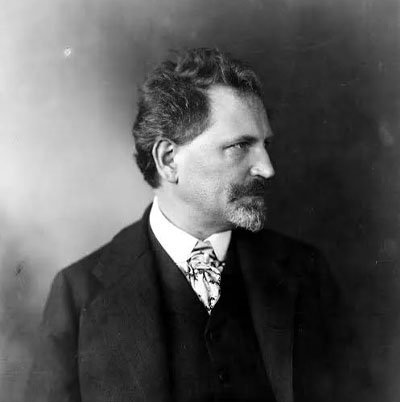
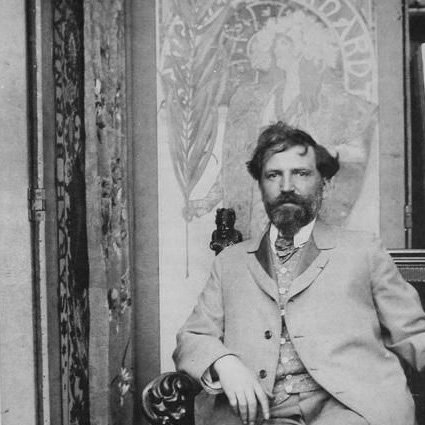
Alphonse Mucha
1860-1939
Alphonse Mucha was a Czech artist best known for his major role in the Art Nouveau style. He became famous in Paris for his decorative posters, especially those featuring elegant women surrounded by flowing lines and natural elements like flowers and plants. His work is recognised for its soft colours, detailed patterns, and strong connection to nature. Mucha’s designs were widely used in advertising, theatre posters, and illustrations, helping to define the look of Art Nouveau and making his work iconic even today.
Some of Alphone Mucha's Artworks
Master of Art Nouveau Elegance
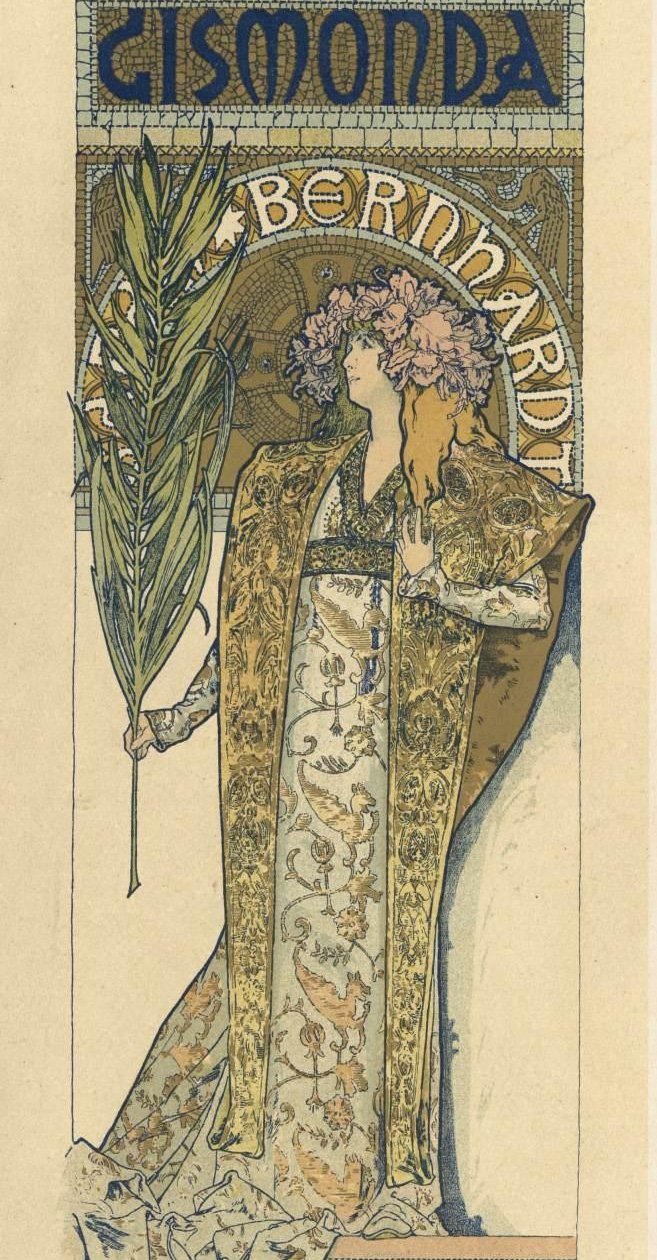
Gismonda (1894)
Master of Art Nouveau Elegance
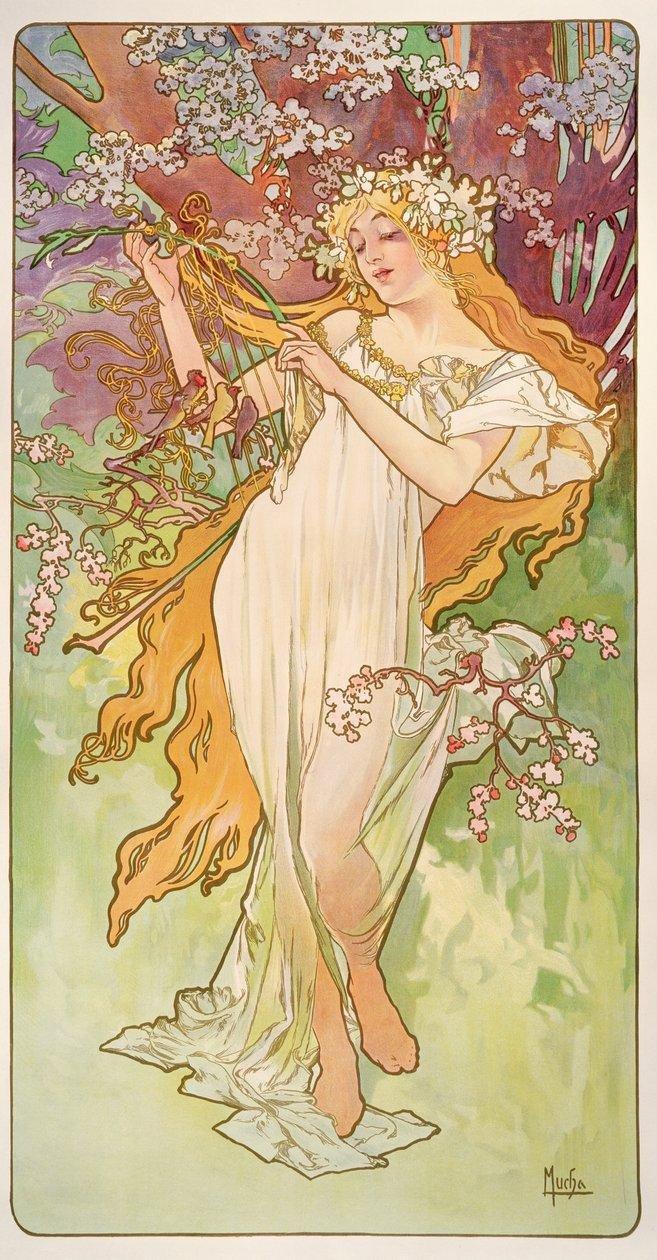
The Seasons (1896)
Master of Art Nouveau Elegance
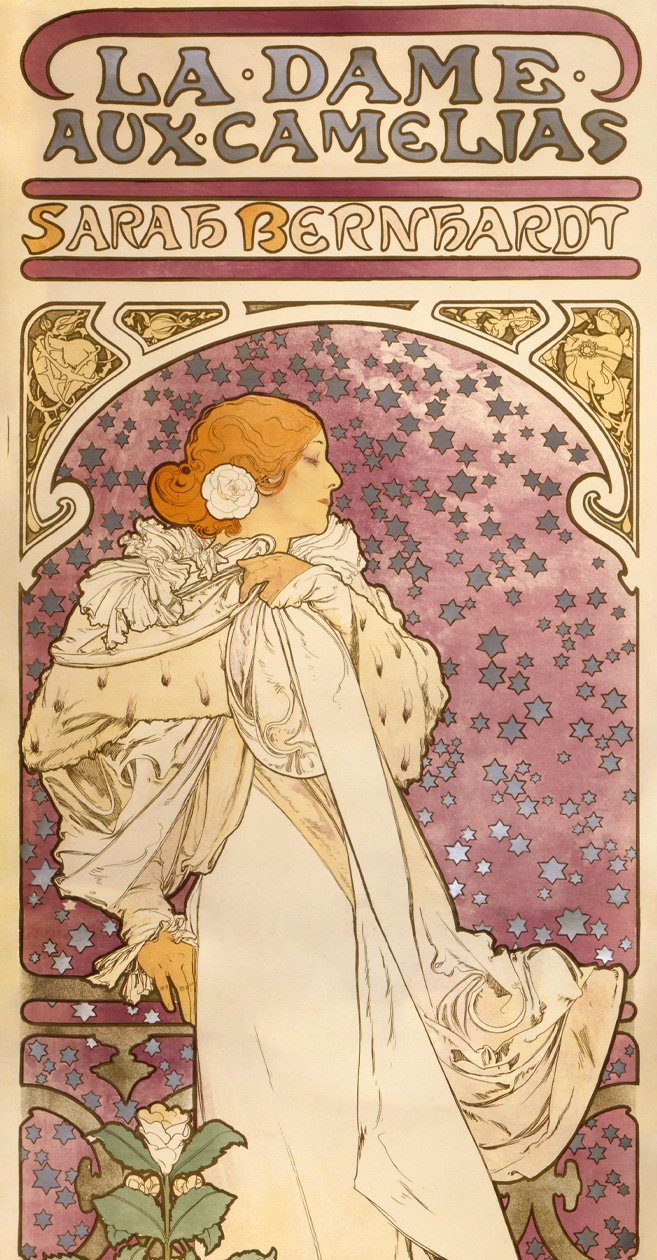
La Dame aux Camélias (1896)
Master of Art Nouveau Elegance
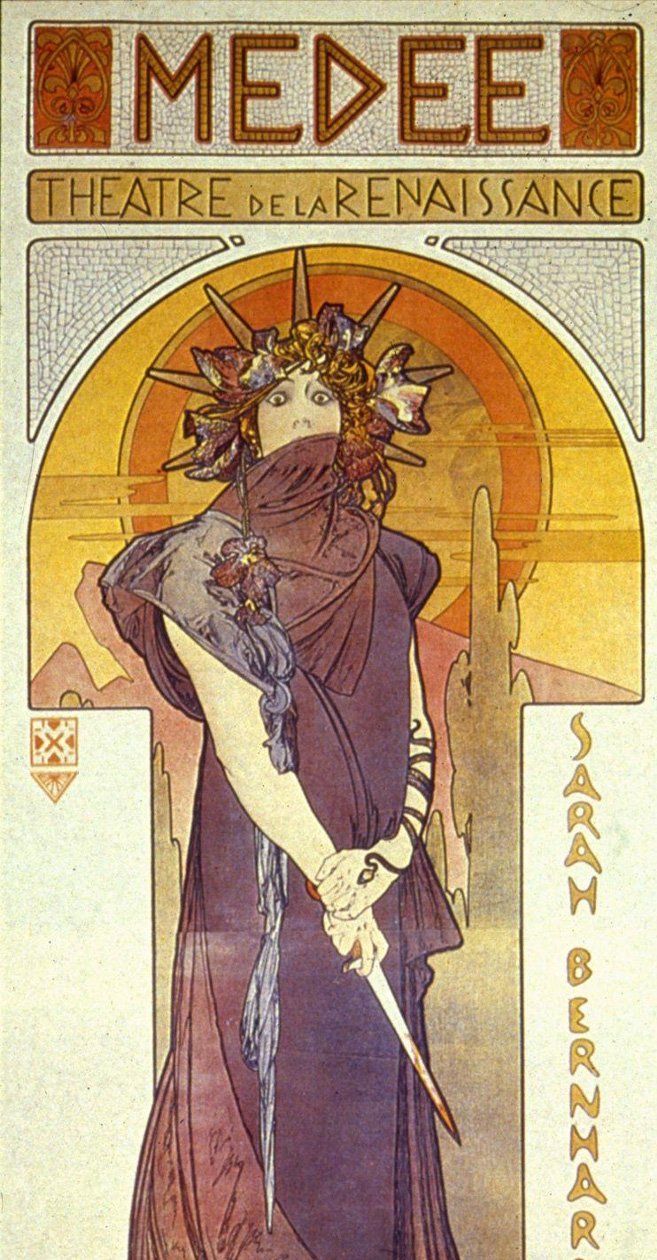
Médée (1898)
Master of Art Nouveau Elegance
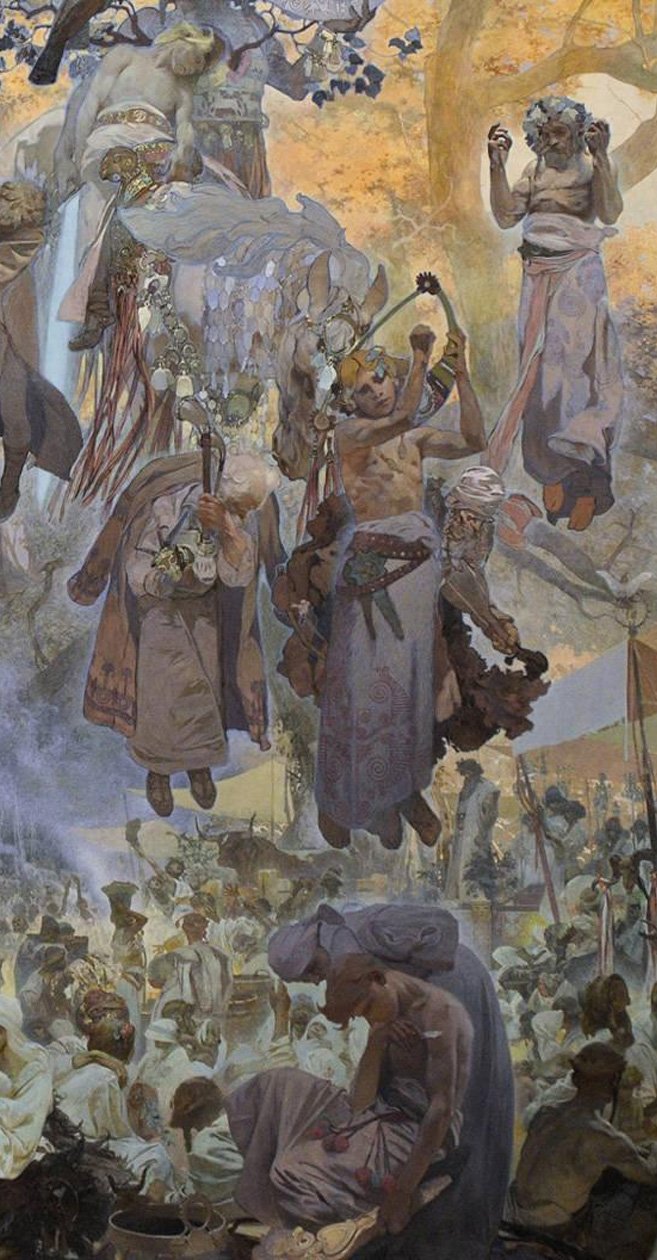
The Slav Epic (1910–1928)
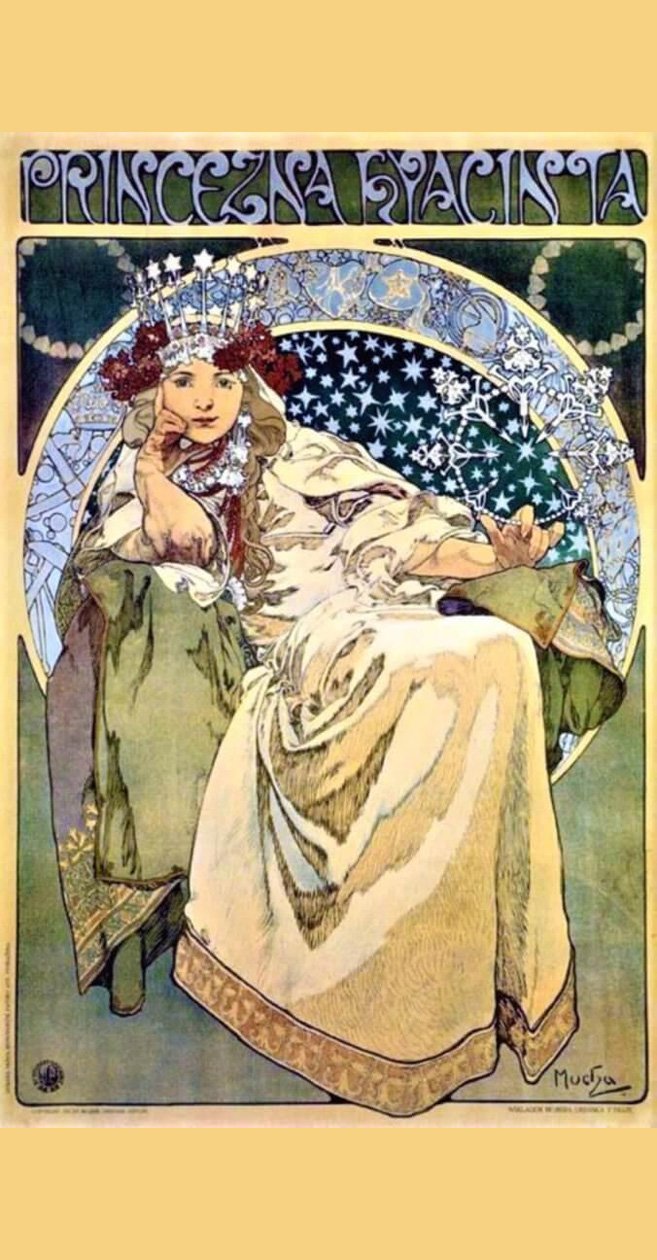
Master of Art Nouveau Elegance
Princess Hyacinth (1911)
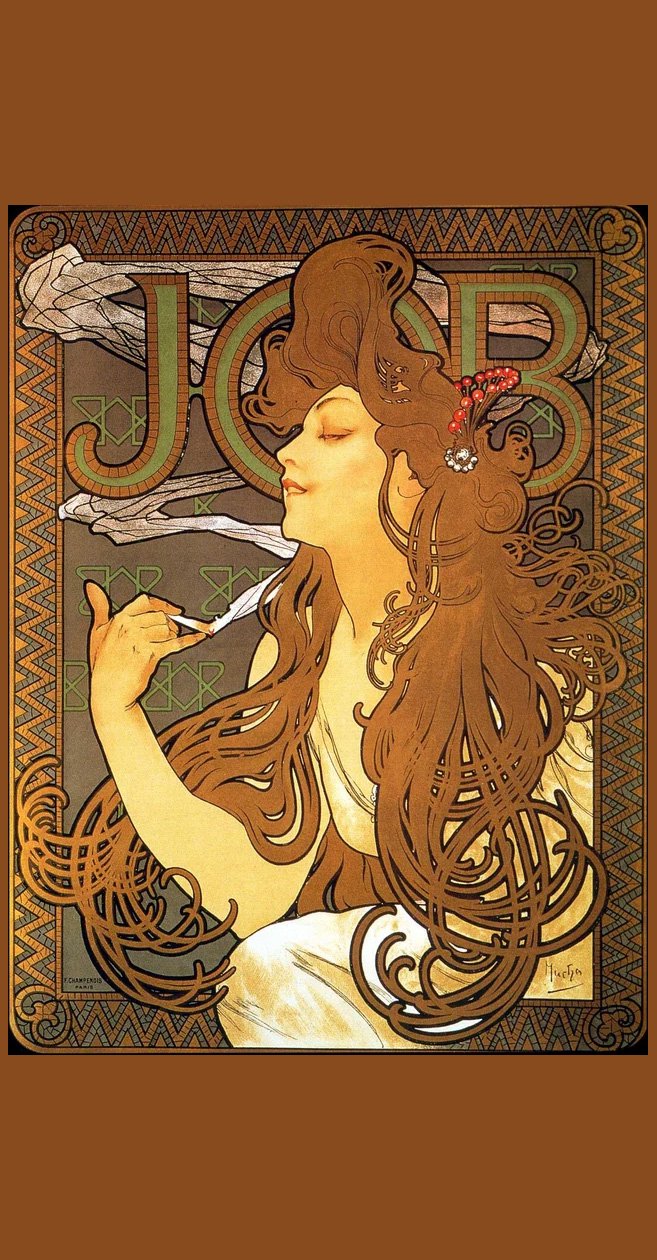
Master of Art Nouveau Elegance
Job Cigarette Papers (1896)
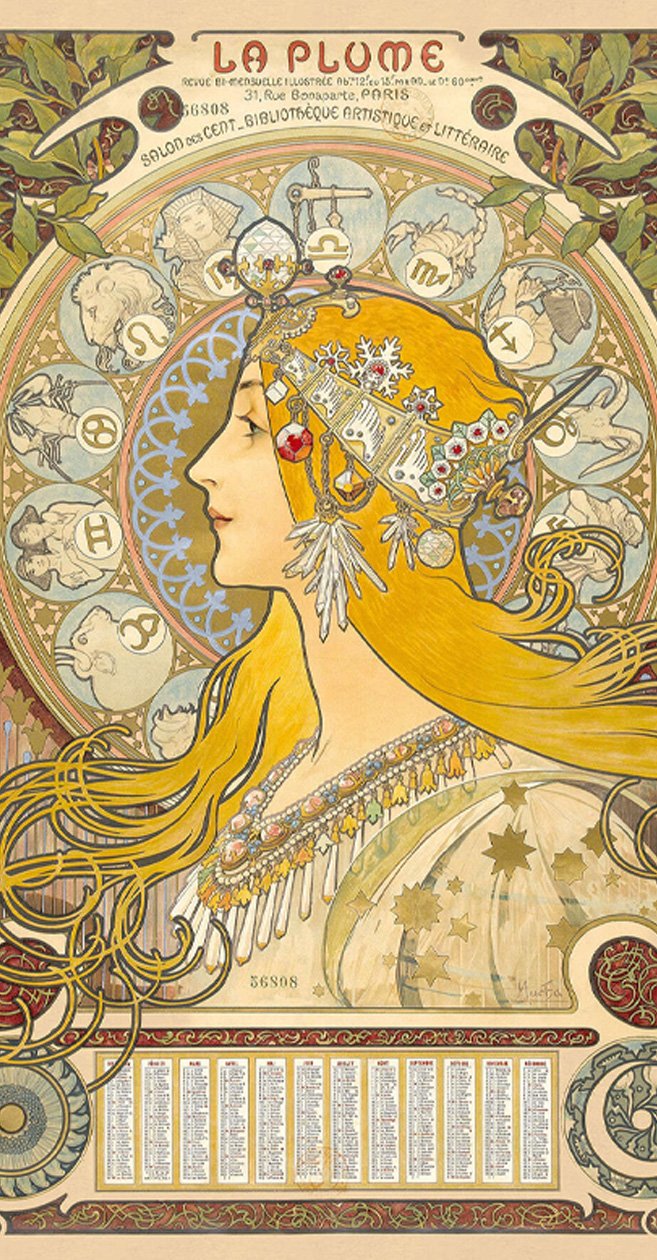
Master of Art Nouveau Elegance
Zodiac (1896)
A Lucky Break That Changed Everything
Mucha became famous almost overnight in Paris when he created the poster Gismonda. Its unique style stood out so much that it instantly made him one of the leading artists of the Art Nouveau movement.
Art With a Deeper Meaning
Even though he designed advertisements, Mucha believed art should inspire and have meaning. He later focused on large works like The Slav Epic, showing his passion for culture and history.
Gustav Klimt: Gold, Beauty, and Art Nouveau
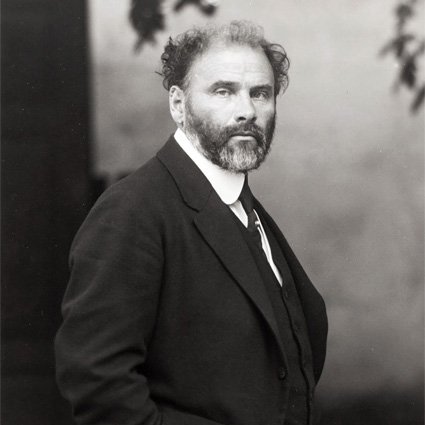
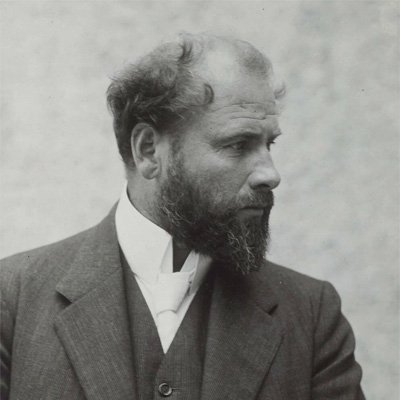
Gustav Klimt
1862 – 1918
Gustav Klimt was an Austrian artist known for his unique style that combined Art Nouveau with symbolism. He worked mainly in Vienna, where he became famous for his decorative paintings filled with gold, patterns, and rich detail. His artworks often focused on the human figure, especially women, showing themes of beauty, love, and emotion. Klimt’s use of gold leaf and intricate designs made his work stand out, and he remains one of the most well-known artists connected to the Art Nouveau movement.
some of gustav klint's artworks
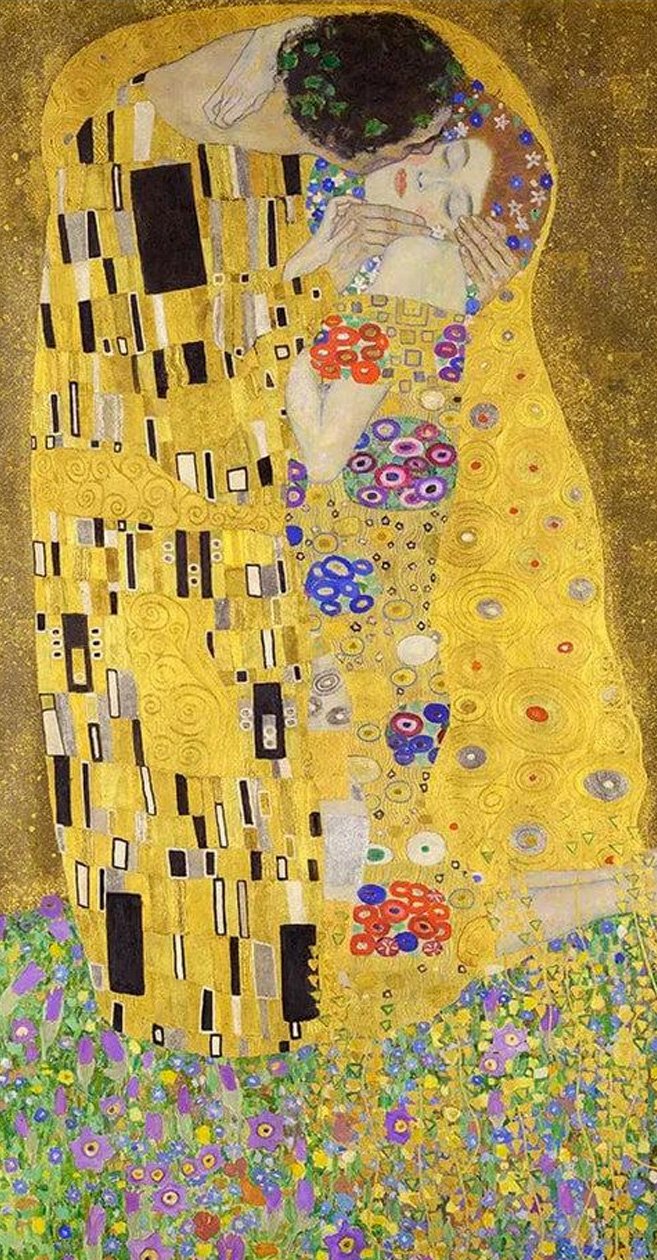
Gustav Klimt: Master of Symbolism
The Kiss (1907–1908)
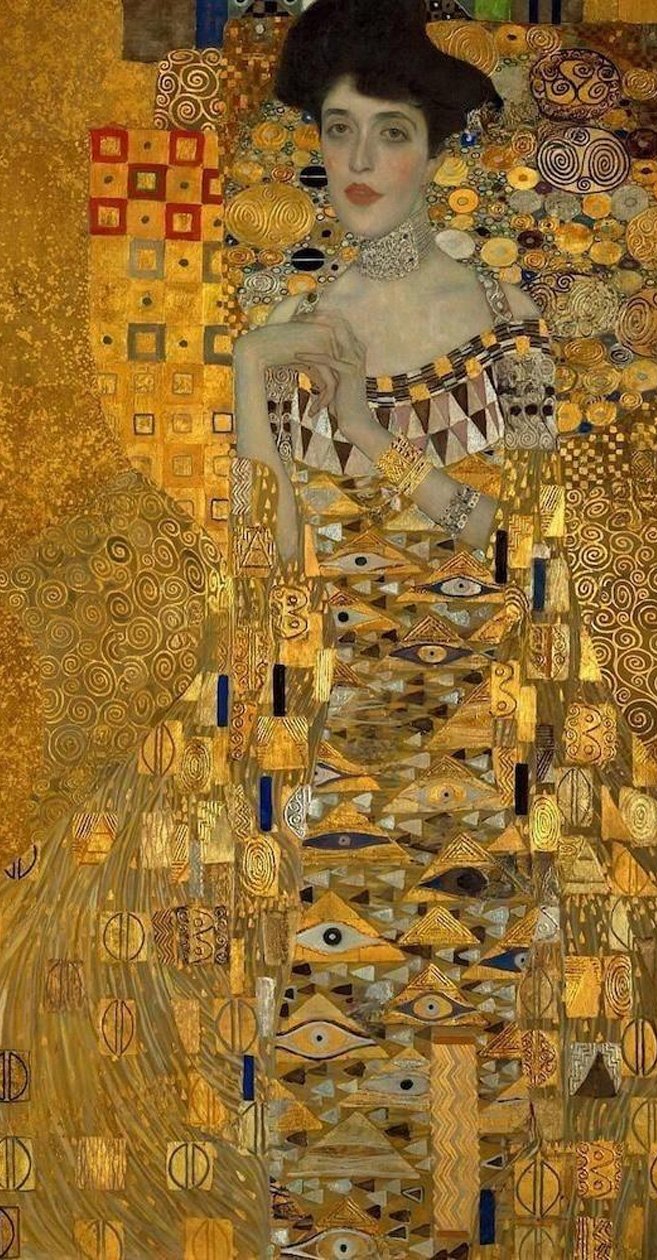
Gustav Klimt: Master of Symbolism
Portrait of Adele Bloch-Bauer I (1907)
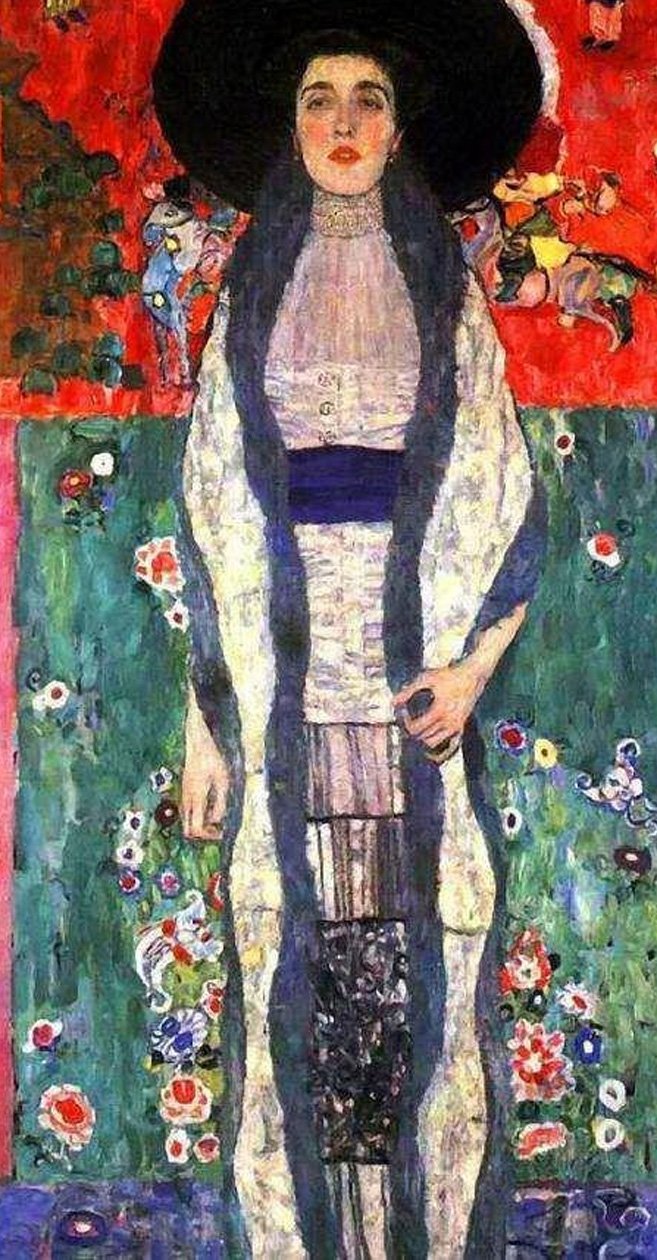
Gustav Klimt: Master of Symbolism
Judith and the Head of Holofernes (1901)
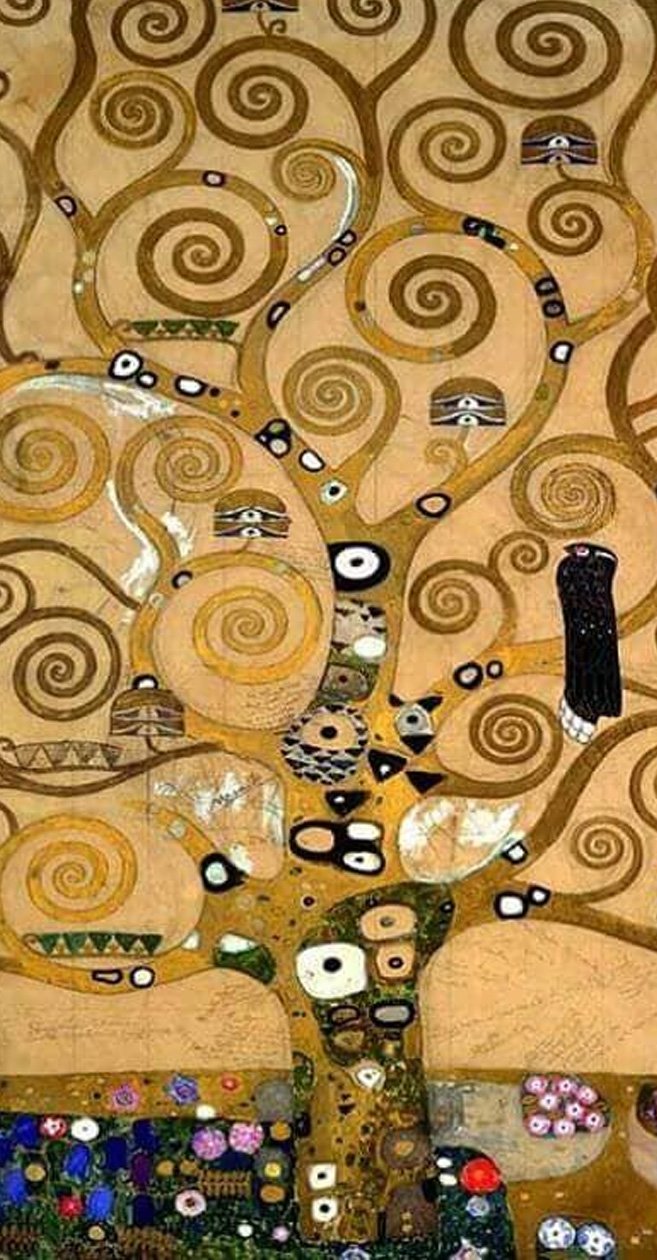
Gustav Klimt: Master of Symbolism
The Tree of Life (1905–1909)
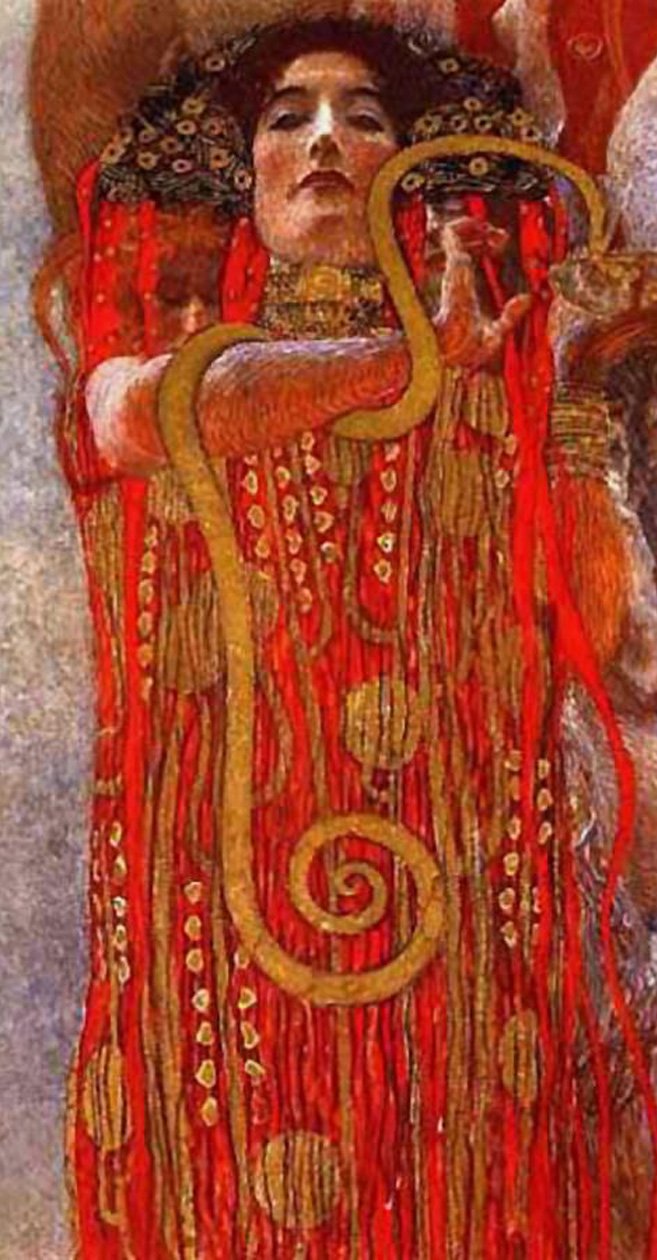
Gustav Klimt: Master of Symbolism
Danaë (1907–1908)
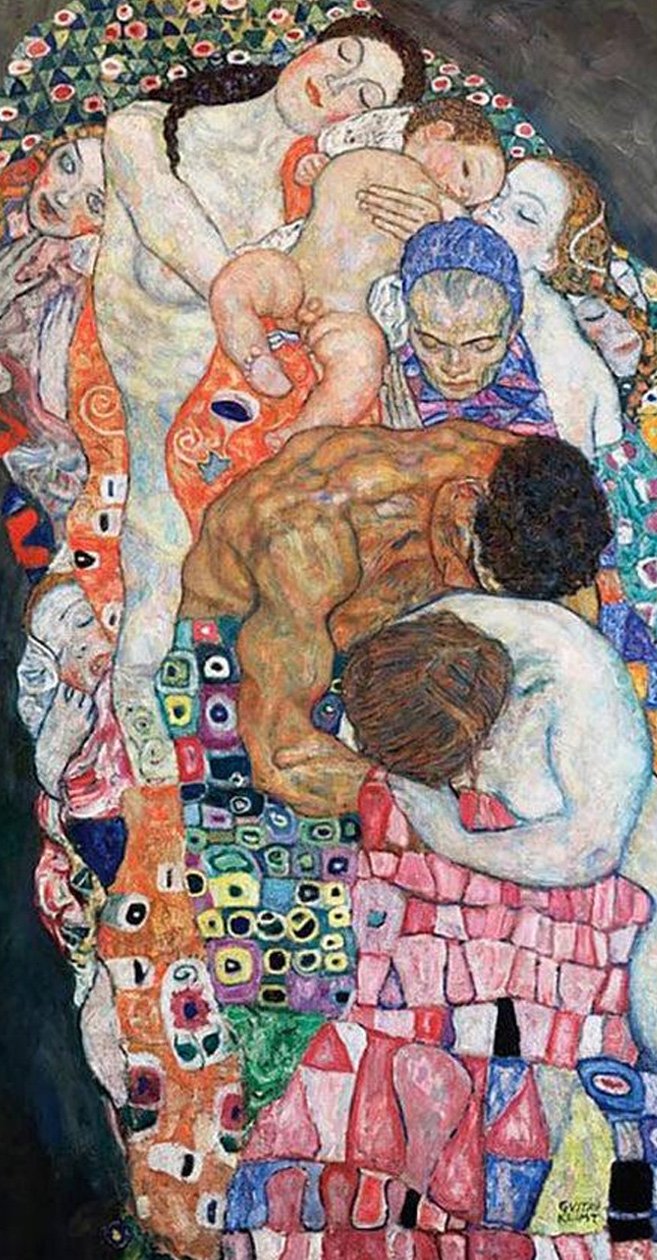
Gustav Klimt: Master of Symbolism
Death and Life (1910–1915)
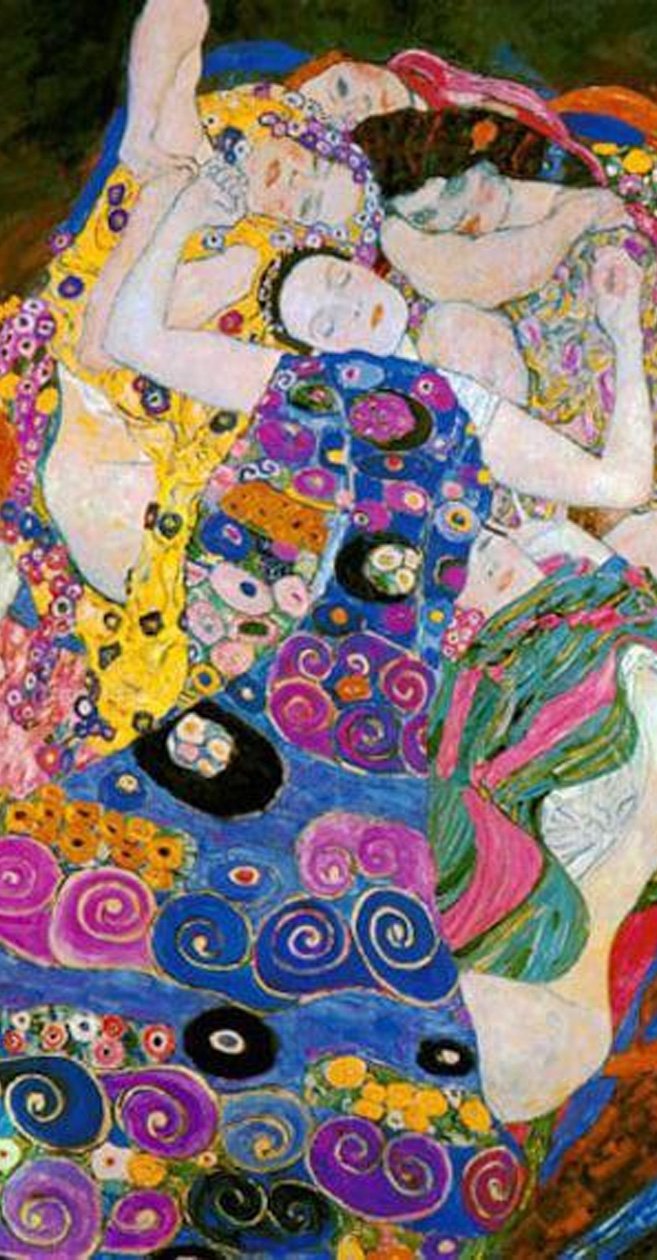
Gustav Klimt: Master of Symbolism
The Virgin (1913)
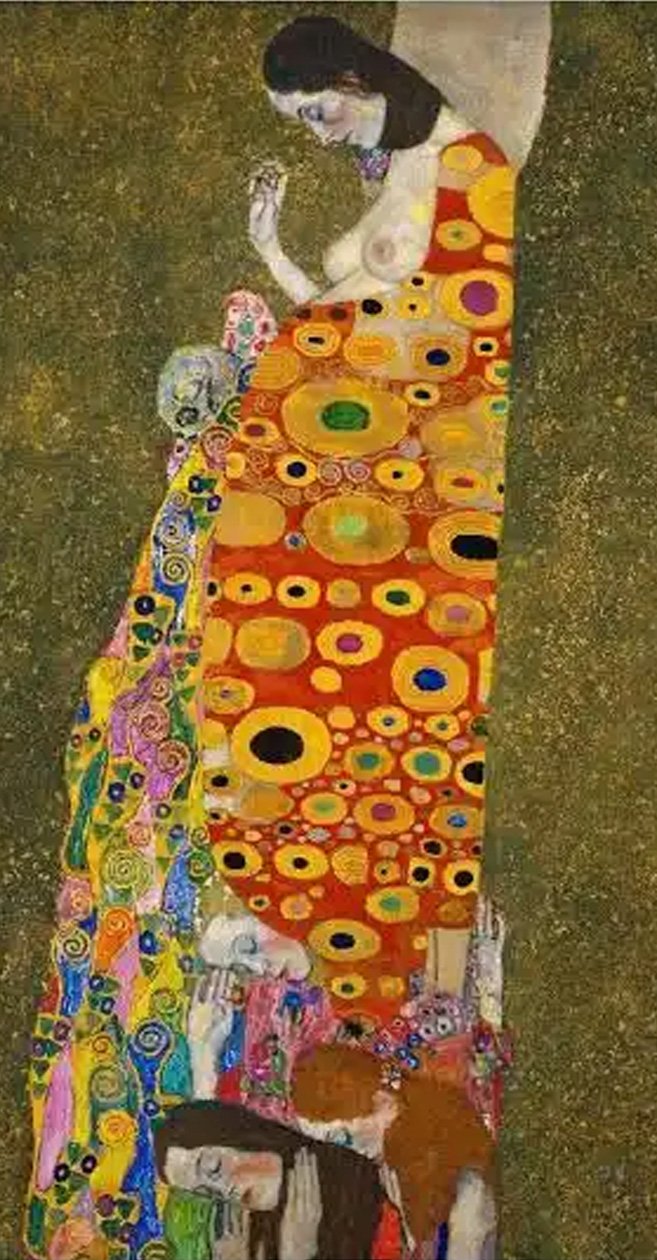
Gustav Klimt: Master of Symbolism
Hope II (1907–1908)
The Unique Lifestyle of Klimt
Klimt lived a very unusual life compared to other artists of his time. He never liked to wear formal clothes and was often seen in a loose robe or smock while working. He also avoided fame and rarely painted self-portraits, which makes him a bit mysterious. Even though he was very successful, he preferred a quiet life focused on art and creativity. This makes him interesting not just for his paintings, but also for the way he chose to live differently from society.
Klimt and the Vienna Secession
Gustav Klimt was a leading member of the Vienna Secession, a group of artists who wanted to break away from traditional art rules. What makes this interesting is that Klimt and his group believed art should be free, expressive, and modern, not controlled by old ideas. Because of this, some of his work was seen as shocking or controversial at the time, especially his paintings that showed the human body in a bold and symbolic way.